
Creating an Inclusive Learning Environment in the Department of Management and Entrepreneurship

As an educator in the Faculty of Economic and Management Sciences at the University of the Western Cape (UWC), my philosophy of creating an inclusive learning environment is anchored in humanising pedagogy (Freire, 1970), pedagogies of care (Noddings, 2013), and transformative learning (Mezirow, 1997). Teaching in South Africa’s diverse higher education context demands an intentional and critical approach to inclusivity—one that recognises the historical inequities that shape student experiences and seeks to dismantle structural barriers to
participation and success. Inclusivity, therefore, is not simply about access, but about creating equitable learning ecologies that affirm the dignity, agency, and potential of every student.
I currently teach Management Theory (PGB712) to approximately 90 students enrolled in the Postgraduate Diploma in Business Administration (PGDBA), and Strategic Management (MAN304), a large third-year undergraduate module with nearly 300 students. These learning spaces are complex, multilingual, and multicultural. They demand a pedagogy that is responsive, adaptive, and grounded in empathy — one that balances academic rigor with emotional and relational attentiveness.
1. The Pedagogy of Care and Humanising Learning Spaces
My philosophy begins with the conviction that learning is a profoundly relational act. Drawing from Noddings’ (2013) ethic of care, I see teaching as a practice of moral and emotional engagement that affirms students as whole human beings. The pedagogy of care provides the foundation for building inclusive classrooms where students feel valued, respected, and
psychologically safe.
Freire’s (1970) concept of dialogic pedagogy further informs my approach — positioning education as a mutual process of inquiry rather than a one directional transmission of knowledge.
In practice, this means cultivating trust and respect through open dialogue, encouraging students to question, challenge, and co-create knowledge. Particularly in large classes such as MAN304,
this humanising approach mitigates feelings of alienation often associated with massified higher education (Luckett & Shay, 2020). I intentionally use collaborative projects, reflective discussions, and formative feedback loops to sustain personal connection and engagement at scale.
2. Student-Centred and Dialogic Pedagogy
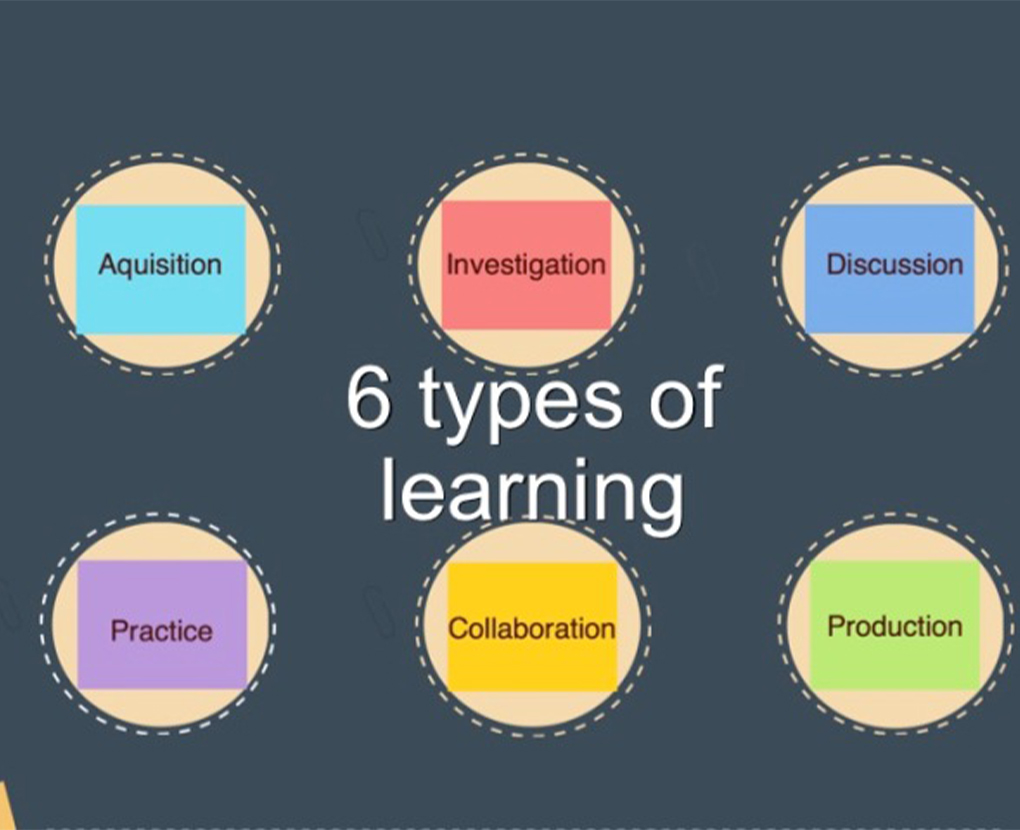
Inclusive education requires a shift from teacher-centred delivery to student-centred learning (Biggs & Tang, 2011). My teaching practice is informed by constructivist principles (Vygotsky, 1978) which emphasise that learning is socially constructed through interaction and reflection. Students bring with them diverse cultural and experiential knowledge, which I view as valuable epistemic resources rather than deficits.
In Management Theory (PGB712), I draw on students’ professional and lived experiences to anchor abstract theoretical concepts within real-world contexts. This not only enhances relevance and engagement but also validates the multiplicity of student voices. In Strategic Management
(MAN304), I employ dialogic pedagogy (Alexander, 2008) through group debates, case-based discussions, and online forums that democratise participation. These pedagogical strategies are designed to decentralise authority, allowing students to become active participants in the co-construction of knowledge.
3. Assessment for Learning and Inclusive Feedback Practices
Assessment plays a central role in inclusion. My philosophy aligns with assessment for learning
(Black & Wiliam, 2009), which views assessment as an ongoing, formative process that supports
growth rather than merely judging performance. I design varied assessment methods — case
studies, reflective journals, applied projects, and quizzes — to accommodate diverse learning
preferences and abilities.
In the postgraduate classroom, peer assessment and reflective journaling are used to cultivate
self-regulated learning and critical reflexivity. In the undergraduate setting, I emphasise
developmental feedback — providing detailed commentary that guides students toward
improvement. Nicol and Macfarlane-Dick (2006) argue that effective feedback promotes self-
efficacy and metacognition, both of which are essential for inclusive learning. These feedback
practices align with UWC’s vision of fostering epistemic access and academic justice.
4. Digital Pedagogy and the Affordances of Technology
In an era of digital transformation, inclusivity must extend to the technological domain. Digital pedagogy, when used critically, can enhance accessibility and participation (Garrison & Anderson, 2011). I utilise digital platforms such as iKamva (UWC’s LMS), Padlet, and real-time
polls to support blended learning environments that accommodate different paces and learning needs. Recorded lectures, discussion forums, and asynchronous tasks allow students with work or family responsibilities to participate more fully.
Moreover, I engage with emerging research on artificial intelligence in education to explore how AI tools can enhance formative assessment, feedback, and engagement, particularly in large classes. However, I remain mindful of the digital divide and therefore ensure that all digital
interventions are accompanied by offline or low-bandwidth alternatives, in line with the principles of universal design for learning (Meyer, Rose & Gordon, 2014).
5. Reflexivity, Decolonial Praxis, and Critical Pedagogy
My philosophy of inclusivity is also rooted in critical pedagogy (hooks, 1994; Freire, 1970), which challenges the hidden curricula and hegemonic epistemologies that often dominate management and entrepreneurship education. I continuously reflect on whose knowledge is represented in the curriculum and how local, indigenous, and African management perspectivescan be foregrounded.
This decolonial commitment aligns with UWC’s broader transformation agenda and seeks to promote epistemic justice (Fricker, 2007). In both PGB712 and MAN304, I integrate African case studies, local entrepreneurial models, and contextual business challenges to ensure that students can relate theory to the socio-economic realities of their communities. Such contextualisation not only enhances inclusivity but also prepares graduates to contribute
meaningfully to sustainable, context-sensitive economic development.
6. Collaboration, Belonging, and Co-Creation
Inclusivity thrives in a culture of collaboration. I believe that the creation of inclusive learning environments is a collective academic responsibility. Within the Department of Management and Entrepreneurship, I collaborate with colleagues to design equitable assessment frameworks,
share pedagogical innovations, and support academic development initiatives that strengthen student success.
At the classroom level, I foster belonging through co-created learning agreements, group work, and peer mentoring initiatives that promote mutual accountability and shared ownership of learning outcomes. As Tinto (2012) notes, a sense of belonging is one of the strongest predictors
of student retention and success. Through these strategies, students not only engage cognitively but also feel socially and emotionally connected to the learning community.
Conclusion
My philosophy of inclusive education integrates cognitive, affective, and social dimensions of learning. It is guided by the belief that every student has the capacity to succeed when provided with an environment that is caring, participatory, and affirming. Inclusivity, in my view, is both a moral commitment and a pedagogical stance that transforms teaching into a humanising, dialogic, and empowering encounter.
Through empathy, reflexivity, and intentional curriculum design, I strive to create classrooms that reflect UWC’s ethos of access, success, and transformation. Ultimately, my goal as an educator in the Department of Management and Entrepreneurship is to nurture graduates who are not only analytically capable and strategically competent but also critically conscious, compassionate, and committed to building inclusive and sustainable futures.
References
- Alexander, R. (2008). Towards Dialogic Teaching: Rethinking Classroom Talk (4th ed.).Dialogos.
- Biggs, J., & Tang, C. (2011). Teaching for Quality Learning at University (4th ed.). Open University Press.
- Black, P., & Wiliam, D. (2009). Developing the theory of formative assessment. Educational Assessment, Evaluation and Accountability, 21(1), 5–31.
- Freire, P. (1970). Pedagogy of the Oppressed. Continuum.
- Fricker, M. (2007). Epistemic Injustice: Power and the Ethics of Knowing. Oxford University Press.
- Garrison, D. R., & Anderson, T. (2011). E-Learning in the 21st Century: A Framework for Research and Practice (2nd ed.). Routledge.
- hooks, b. (1994). Teaching to Transgress: Education as the Practice of Freedom. Routledge.
- Luckett, K., & Shay, S. (2020). Reframing the curriculum: A transformative approach. 1), 1–18.
- Meyer, A., Rose, D. H., & Gordon, D. (2014). Universal Design for Learning: Theory and Practice. CAST.
- Mezirow, J. (1997). Transformative learning: Theory to practice. New Directions for Adult and Continuing Education, 74, 5–12.
- Nicol, D., & Macfarlane‐Dick, D. (2006). Formative assessment and self‐regulated learning. Studies in Higher Education, 31(2), 199–218.
- Noddings, N. (2013). Caring: A Relational Approach to Ethics and Moral Education
(2nd ed.). University of California Press. - Tinto, V. (2012). Completing College: Rethinking Institutional Action. University of Chicago Press.
- Vygotsky, L. S. (1978). Mind in Society: The Development of Higher Psychological Processes. Harvard University Press.